Last week I wrote about how I’ve had my fill of perfection. That was kind of the “why.” This week is a step toward the “how.”
I mentioned that someone posted about being roasted for her terrible camera and it inspired me to consider how liberating it might be to use one. I have no shortage of equipment at my disposal, but I’m increasingly interested in doing more with less. I rely on certain best practices for client work, of course, but for my personal work, the thing that increasingly interests me is a simplified process, even if it’s imperfect. Especially if it’s imperfect.
This last bit, I will admit, is a reaction to my growing discomfort with overly retouched, highly processed commercial photography. That’s nothing new, of course, but now with AI in the mix I just see fussy “perfection” everywhere1 and it’s really off-putting. Everything looks like an Instagram post, and we all know those aren’t real. So where did “real” go?
I’ve decided to search for the real. As best I can tell, I think it might be found in proximity to imperfection. What better way to lean into imperfection than to use a terrible camera?
I’ve decided to start a club: The Bad Camera Club.
It works like this: You buy (or, ideally, find) an otherwise unimpressive camera, the older, simpler and more rudimentary the better. The closer you can get to the Instamatic ideal — look through here, press this button — the better. And then what you do is… start taking pictures with it.
And dadgum if those pictures aren’t wonderful in their own way.
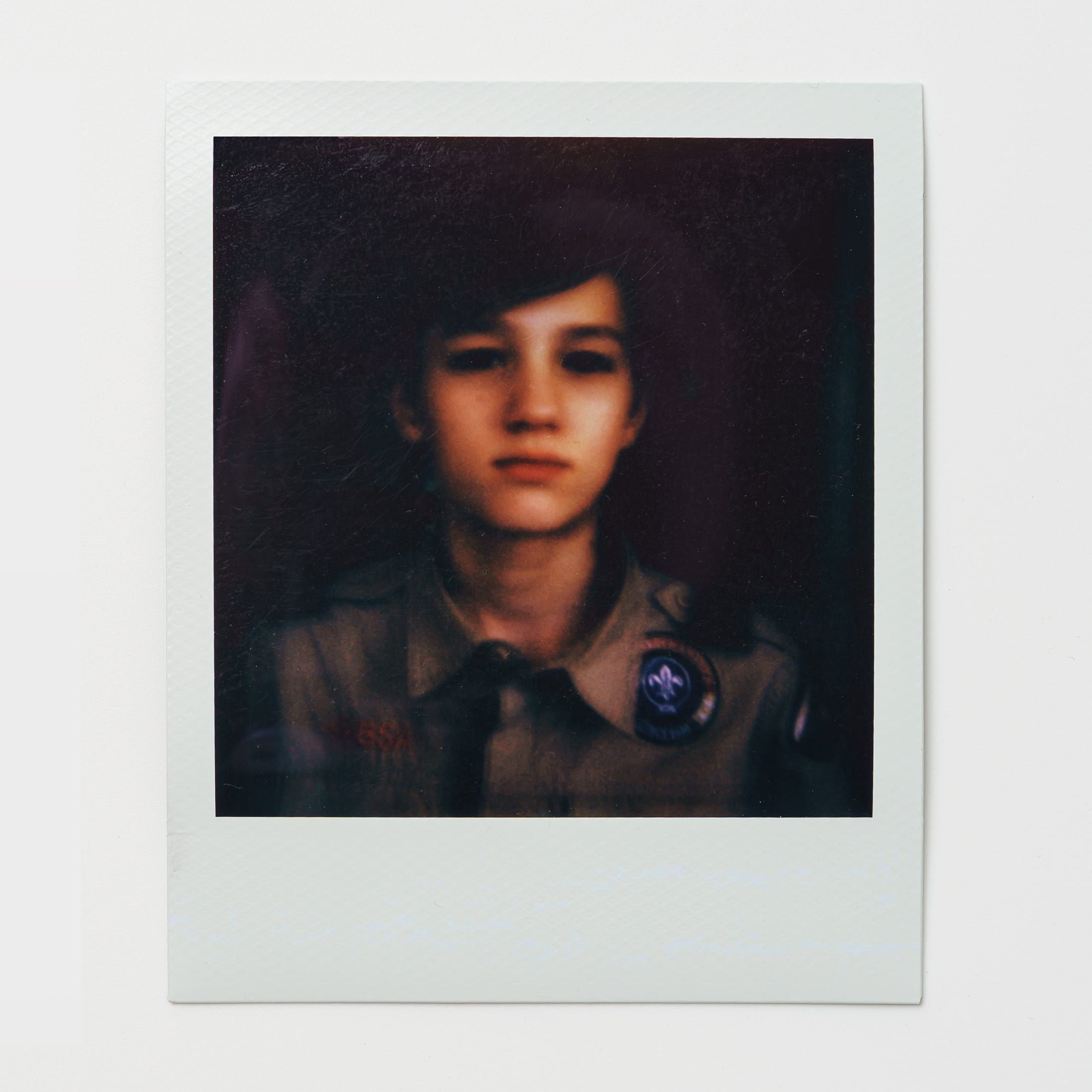
If you can’t find a bad camera in an old desk drawer, I recommend scouring garage sales and thrift stores for the crappiest camera you can find.
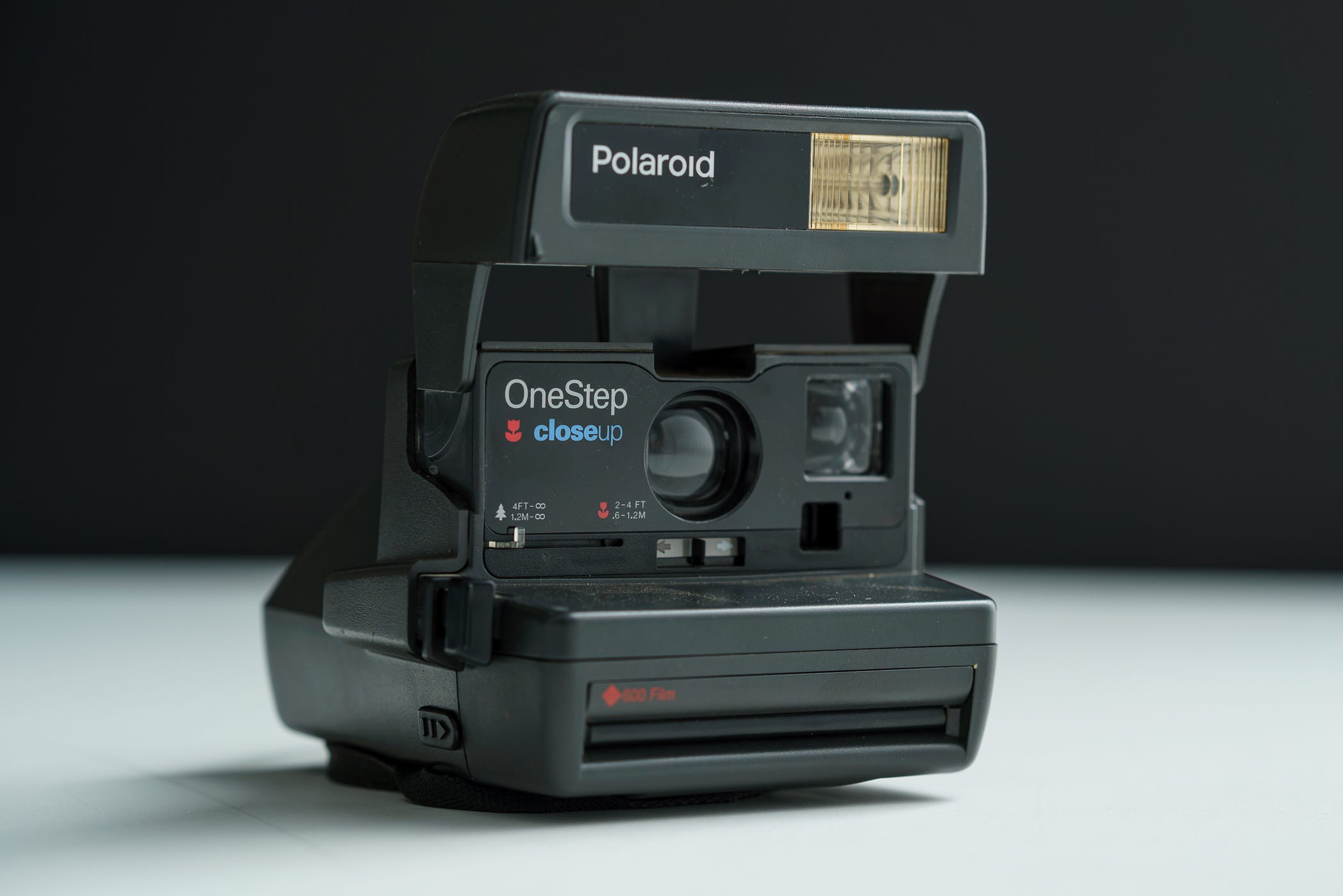
A few weeks ago I acquired this Polaroid for $4 at an estate sale. Imagine my shock when I discovered a box of eight exposures retails for $20.2 It’s unlikely to be a long-term entrant into the bad camera club for that reason, but it’ll be fun while it lasts.
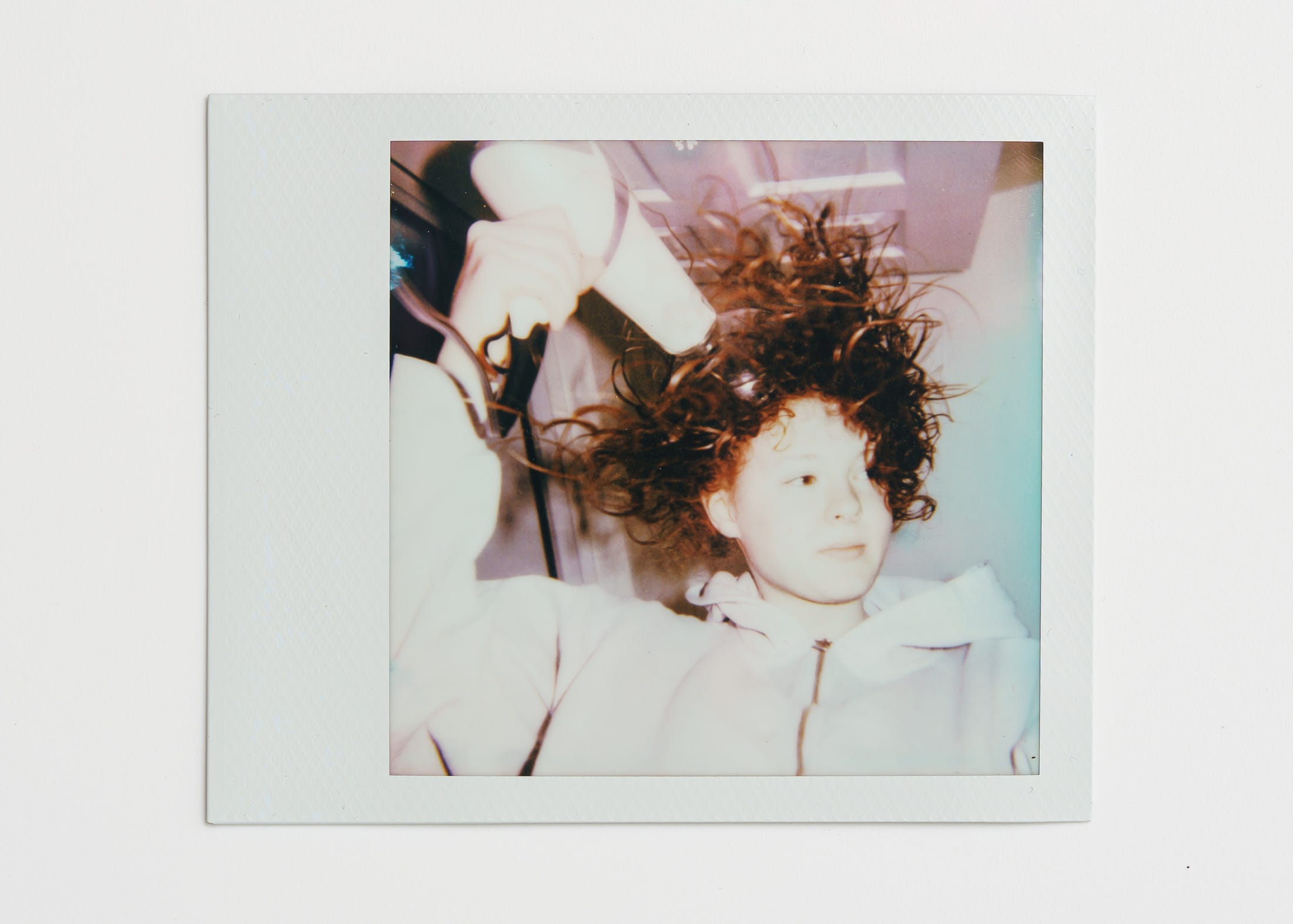
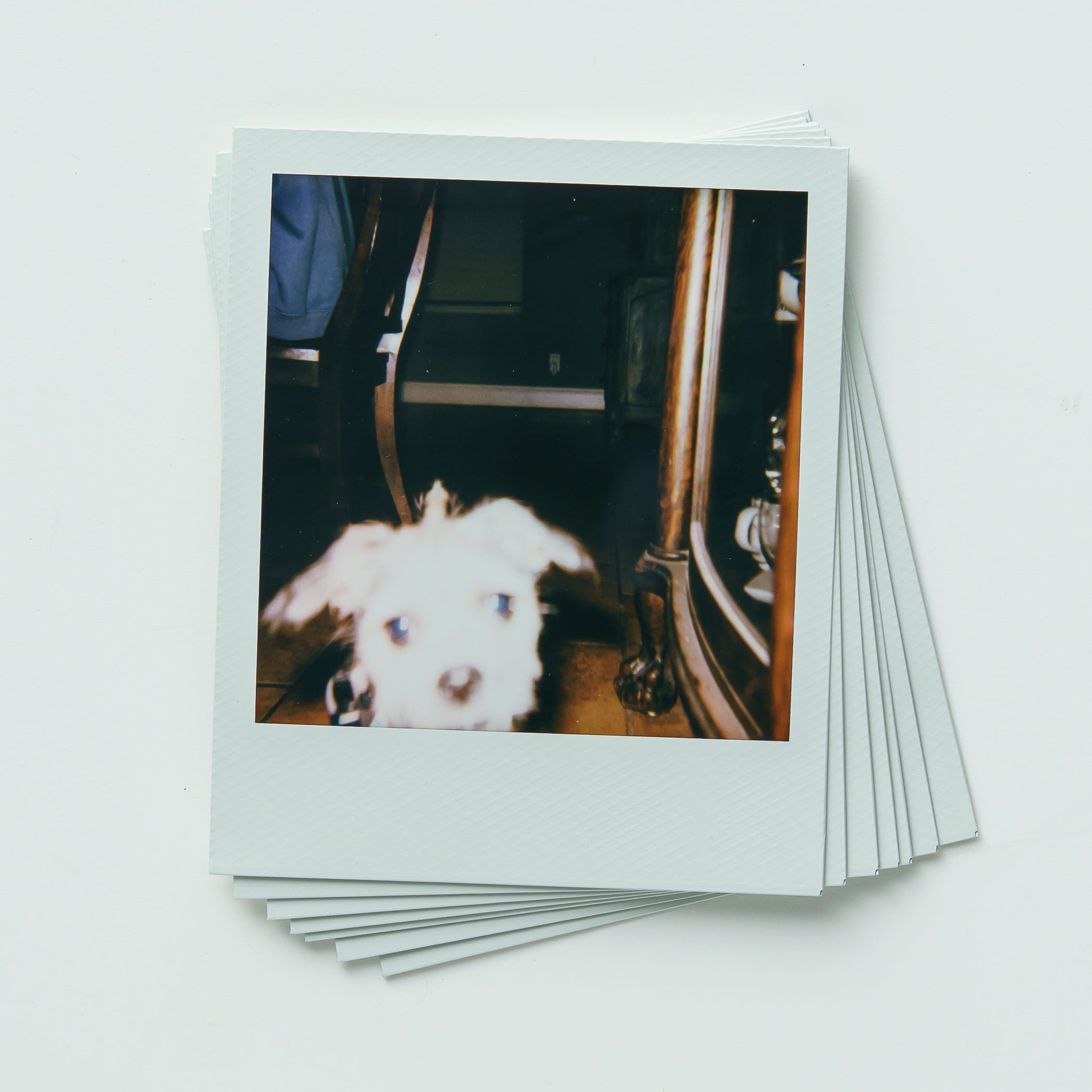
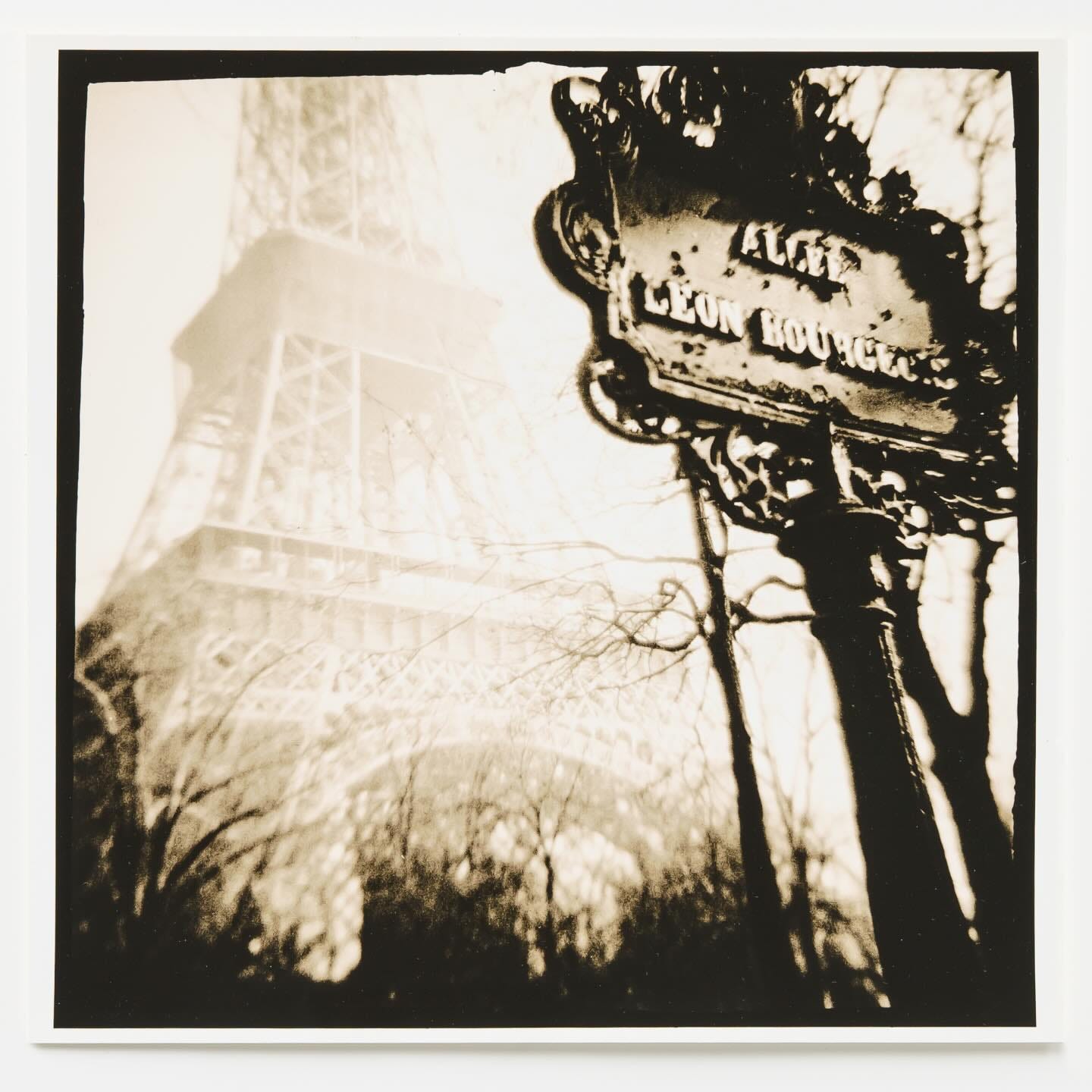
I know the pictures are not wonderful in the traditional sense. But I’ve been studying photographic technique for decades, and I feel like I’ve gone all the way around and come out the other side, where these fuzzy, flash-burned, not-quite-right images are exactly what I’m looking for.
These Bad Camera Club certified images have potential for a type of greatness that perfection could never attain. I recognize it’s possible I’m simply describing vibes.
What I mean is probably better termed as “process over product.” It’s not that technically perfect photos can’t be amazing and meaningful. Of course they can. What I want to cease, though, is putting the cart before the horse. I’ve spent 40 years starting with technique, but it’s supposed to serve content, not replace it. I want to make pictures that work regardless of how sharp they are.
I really think I’m starting to understand where Garry Winogrand was coming from when he said he wanted to photograph things to see how they look photographed. Did you know he didn’t like to look at other photographs for fear it would corrupt his approach? He worried that if he had a preconceived notion of what something should look like, he’d fail to really see what was in front of him. It’s strangely, diabolically brilliant, the direct opposite of pre-visualization. It’s un-visualization. It makes discovery integral to the process.
Do you know how many famous photographers I’ve interviewed — advertising masters and National Geographic lifers and Pulitzer Prize Winners — who all but shrug off questions about equipment and technique? Some of the greatest photographers I’ve met treat the camera almost like a necessary evil. They don’t have disdain for equipment, but they have the perspective to know it’s the least interesting part of the process. Hundreds of interviews over 25 years and it’s almost universal.3
Turning to bad cameras is not disdain for equipment — it’s a shortcut, necessary only to ensure I’m primarily focused on the things that might ultimately lead me to make better pictures regardless of the camera. Even if it’s good.
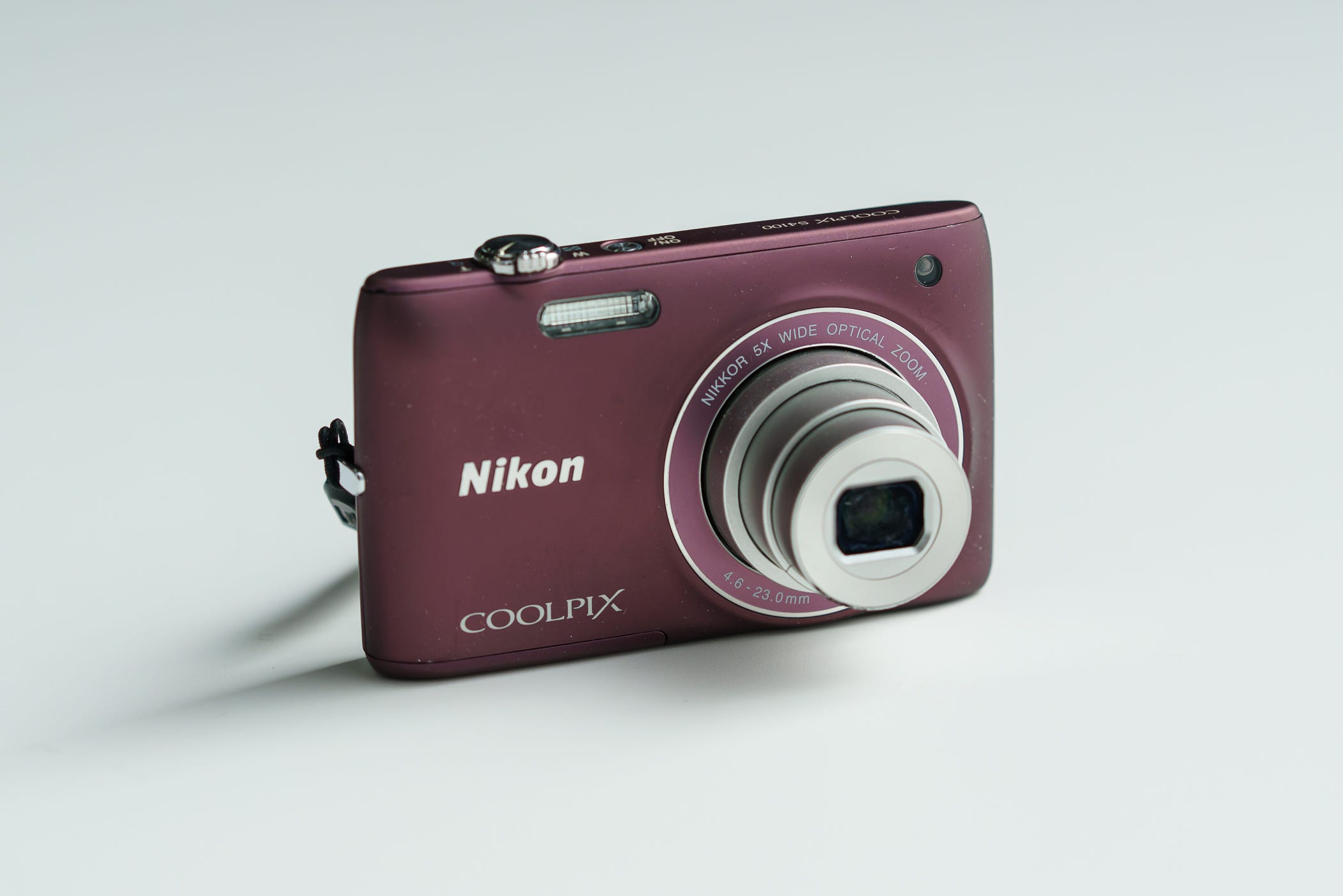
You can join me in the Bad Camera Club. It requires nothing more than your smartphone. I know they are actually impressive technological marvels, photographically speaking. But they get the spirit right: look through here, press this button, that’s it. I’d say that qualifies as a bad camera. I’ve decided to simply no longer care about any of the technical shortcomings of the image files from my phone. You can do that. You can just decide it is a feature, not a bug. It’s your art, do what you like.
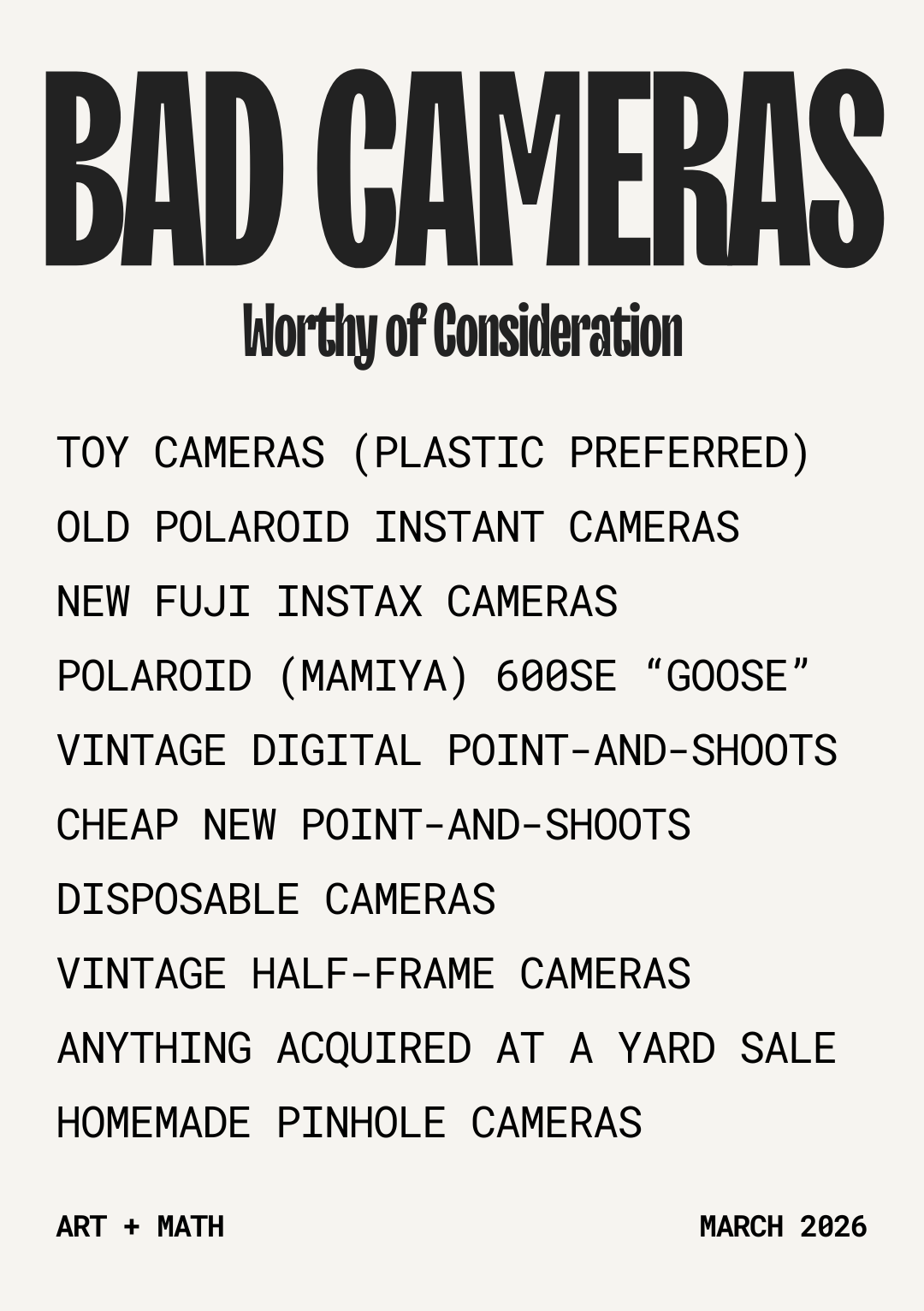
If art is what the artist says it is, a good picture — even if it comes from a bad camera — is what I say it is.
Join me, won’t you? The Bad Camera Club is open for business.
Can we make great pictures this way? Who knows. But I’m sure going to enjoy the process of finding out.
Which is of course labeled as authenticity.
I’m on pack three, which means it will take 12 new subscribers to defray that cost, please and thank you.
Which is a challenge when your editor has tasked you with talking equipment — because advertisers aren’t selling philosophy.