There seems to be considerable confusion about what does and does not constitute a photograph. The problem is caused — surprise surprise — by AI. And exacerbated by the loudly ill informed speechifying of those least qualified to benefit from our attention.1
These AI advocates — or, on occasion, AI pessimists — say photography is doomed because AI image generation eliminates the need for photographs and, by extension, the photographers who make them. We’d best pivot, they advise, to typing our most vivid wishes into the automatic copyright-indifferent water-sucking transmogrifier machine.2
If typing prompts satisfies your personal artistic or commercial needs, go for it. Truly. But don’t expect me to appreciate it, or chastise me for not being visionary enough to see the inevitable future. Regardless of what the output may appear to be, this is not a thing I’m interested in. There are lots of things I’m not interested in. People are allowed to cheer and jeer at whatever they like. Even AI.
AI shortcomings aside, the thing I really can’t abide is misinformation caused by careless language. What’s happening when someone uses AI to generate a photorealistic image from whole cloth is more akin to painting than photography.3 Some folks incorrectly refer to machine-generated images as “AI photography.” Which to me sounds a lot like “vegan beef.” It might taste fine, but let’s be clear about what we’re ingesting. If it’s one thing, it’s not the other.
If you’re having trouble understanding the difference between a photograph and something that merely looks like a photograph, consider that the former carries the baggage (and meaning) of originating with a camera aimed at the real world. That documentary power is why we hire wedding photographers and not wedding sketch artists. It’s why school picture day is unlikely to involve painters or essayists. There is a unique value in recording reality with a camera.
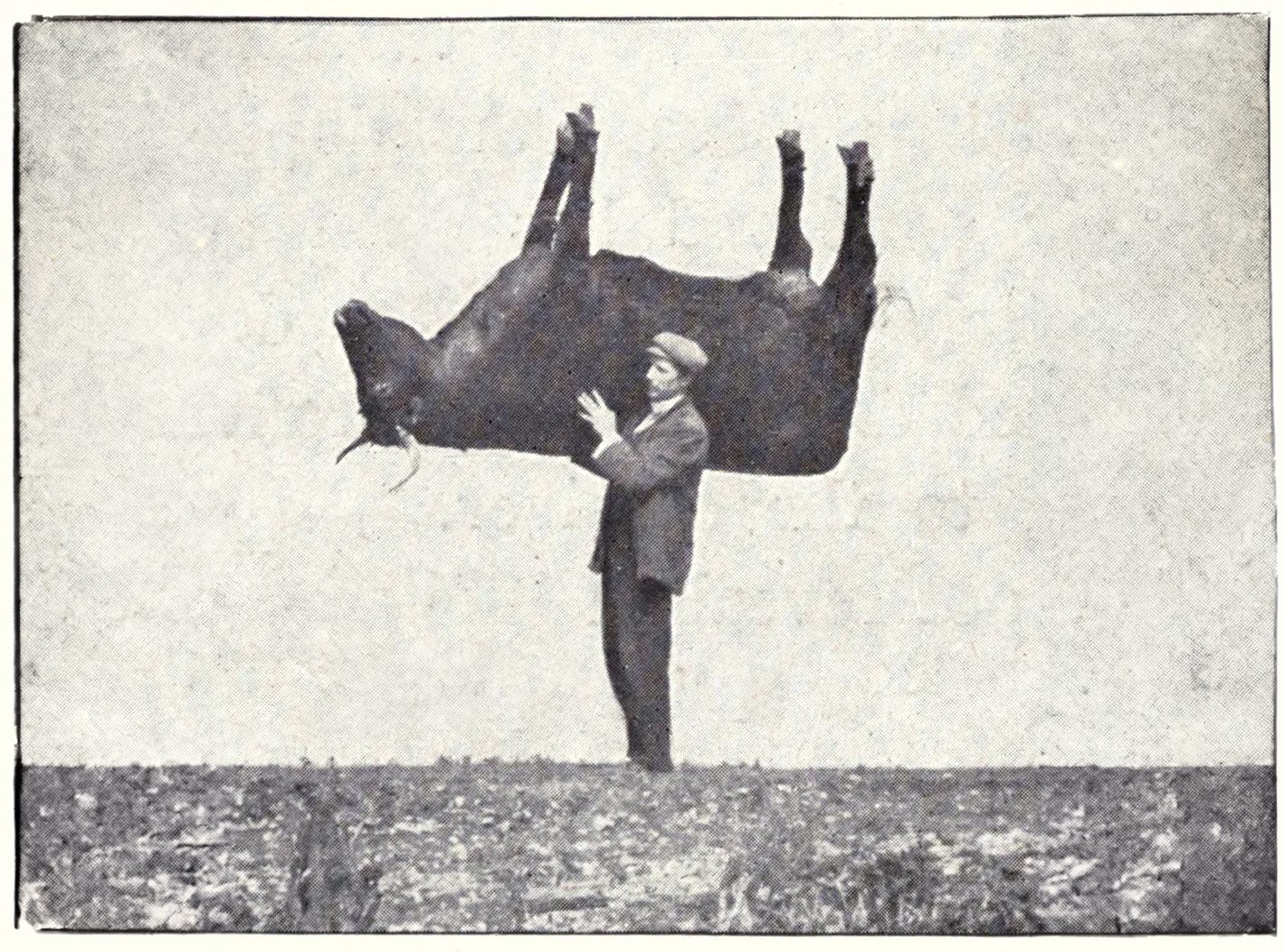
Beauty is only skin deep. The meaning of a photograph, its power, comes primarily from elements beneath the surface. Connected, yes, but distinct. An AI-generated image does not contain these associated meanings. It has no evidentiary nature, nor any of the “reality” that deepens a photograph beyond its surface.
If the source of the medium’s unique power is its ability to record light reflecting off of real world objects, if the image is not generated from ones and zeros, there is both a documentary and sculptural nature inherent in photography. Photographs4 translate the three-dimensional world into two-dimensional facsimiles, relying on the associated baggage to impart, or alter, meaning. Take away the baggage and you’ve got only the thinnest veneer of similarity.
Photorealistic AI images are optical illusions, garnering at least some of their power from the mistaken association with a “real” photograph’s evidentiary nature. The way an image is perceived is directly tied to its origins — or to what we believe those origins to be.
This is not an assertion of value. I make no claim that this difference makes photography superior to other art forms, or even superior to AI image generation. My personal preferences are simply a matter of taste. But what’s not subjective is an image’s DNA, which imparts meaning. Without the DNA, we’re back to the surface, devoid of what makes a photograph special.
I bristle at being told that AI images are photographs. This happens deliberately, with an aim at deception, and accidentally, where language has not yet caught up to the technology. We need a more accurate language for describing images, and ultimately understanding them. There is plenty of room for refinement, and at the moment seemingly little call for it. If we can’t discern what these images are and are not, however, we will be powerless to counter egregious deception. In other words, confusing AI-generated imagery for photographs is more than just an annoyance. It shakes the foundation of any basic attempt at discerning fact from fiction.
If I read the phrase “AI photographs” one more time I’m gonna lose it. Oxymoronic.
Whether you’re an AI fanboy or an AI hater, let’s at least agree on the facts of the situation and use language that makes them clear. One is a photograph, the other is an illustration. That distinction, small as it may seem, contains multitudes.
Photography is unique. No other medium can do quite what it does. We must refine the language we use to talk about it, and AI-generated imagery, to better discern our feelings about the meanings and uses of each.
Your humble narrator excluded, of course.
Based on precedent, we’d be well served to do this tackily and with an excess of bad taste.
A case could be made that it’s even closer to writing, given the way prompts are input.
Mostly